
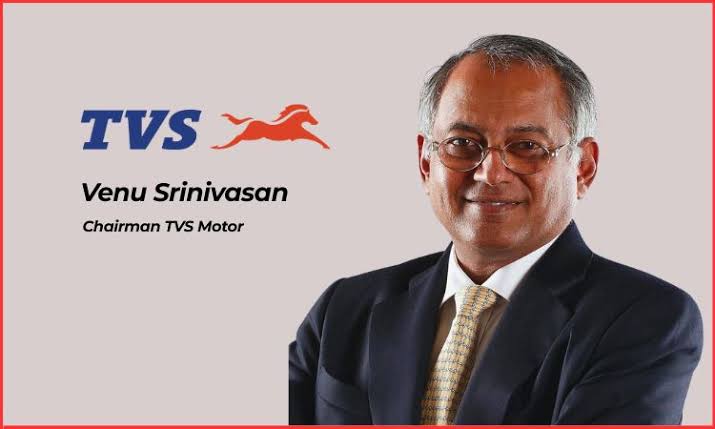
TVS Sibling Rivalry Is a Storm in a Teacup: What Insiders Really Say
The Indian corporate world has always been fascinated by family-run businesses, and few names carry as much legacy as the TVS Group. Recently, reports of a sibling rivalry within the TVS family have caught widespread attention. However, insiders suggest that the issue may be nothing more than a “storm in a teacup.”
In this detailed analysis, we break down what is actually happening within the TVS Group, examine the facts, compare narratives, and understand why such developments are often exaggerated in media coverage.
Understanding the TVS Group Legacy
The TVS Group is one of India’s most respected industrial conglomerates, with interests in automobiles, finance, logistics, and electronics. Founded over a century ago, the group has grown through disciplined leadership, innovation, and strong governance practices.
Unlike many family-run businesses that face public disputes, the TVS Group has traditionally maintained a low profile when it comes to internal matters. This is why even minor developments can quickly become headlines.
What Sparked the Rivalry Buzz?
Reports suggest that differences in strategic direction among certain members of the family may have led to speculation about a rivalry. These include decisions related to expansion, investment priorities, and leadership roles in key companies.
However, insiders emphasize that such differences are normal in large organizations and do not necessarily indicate a full-blown conflict.
Why Insiders Call It a “Storm in a Teacup”
According to sources close to the group, the so-called rivalry is being overstated. Here are the key reasons why:
- Professional Governance: Most TVS companies operate independently with structured boards.
- Clear Role Distribution: Different branches of the family manage different businesses.
- Long-Term Vision Alignment: Despite differences, the overall vision remains consistent.
- Past Precedents: The group has handled similar situations maturely in the past.
Comparison Table: Perception vs Reality
| Aspect | Media Perception | Insider Perspective |
|---|---|---|
| Nature of Conflict | Serious rivalry | Minor strategic differences |
| Impact on Business | Potential instability | No major operational impact |
| Family Relations | Strained | Professional and cordial |
| Future Outlook | Uncertain | Stable and growth-oriented |
How Media Amplifies Corporate Narratives
In today’s digital age, even small developments can quickly turn into trending news. Media outlets often focus on dramatic angles to attract readership, which can sometimes lead to exaggerated interpretations.
In the case of the TVS Group, the phrase “sibling rivalry” itself carries a strong emotional appeal, making it more clickable and shareable.
The Reality of Family-Run Businesses in India
Family businesses are complex by nature. Differences in opinion are inevitable, especially when multiple generations are involved. However, these differences often lead to better decision-making rather than conflict.
The TVS Group is known for its structured approach, where governance frameworks minimize the impact of personal differences on business operations.
Key Facts You Should Know
- The TVS Group operates through multiple independently managed entities.
- Leadership roles are clearly defined across family branches.
- There has been no official confirmation of any major dispute.
- Business performance across TVS companies remains strong.
Expert Insights
Industry experts believe that labeling such situations as “rivalry” can be misleading. Instead, they see it as a natural evolution of leadership dynamics in a growing organization.
Many experts also point out that healthy debate within leadership often leads to innovation and long-term success.
What This Means for Investors and Stakeholders
For investors, the key takeaway is stability. There is no evidence to suggest that the reported rivalry is affecting the group’s financial health or strategic direction.
Stakeholders can take confidence in the group’s strong governance practices and consistent performance across sectors.
Future Outlook of the TVS Group
The future of the TVS Group looks promising, with continued investments in electric vehicles, technology, and global expansion. Companies within the group are actively adapting to changing market conditions and consumer preferences.
Rather than being hindered by internal differences, the group appears to be leveraging diverse perspectives to drive innovation.
FAQs
Is there a real conflict in the TVS family?
There is no confirmed major conflict. Most reports suggest only minor strategic differences.
Does this affect TVS Motor Company?
No significant impact has been reported on operations or performance.
Why is the issue getting so much attention?
Media amplification and public interest in family-run businesses contribute to the attention.
Should investors be worried?
Currently, there is no indication of risk arising from the situation.
Conclusion
The narrative around the TVS sibling rivalry appears to be more hype than reality. While differences may exist—as they do in any large organization—there is little evidence to suggest a serious conflict.
Insiders calling it a “storm in a teacup” seems to accurately capture the situation. For readers, investors, and observers, it is important to look beyond headlines and focus on verified facts and long-term trends.
As the TVS Group continues to grow and evolve, it remains a strong example of how legacy businesses can successfully navigate modern challenges without losing stability.

Gaurav Yadav is a news writer and digital publisher from Haryana, India. He focuses on covering latest news, technology updates, automobile developments, and trending public-interest topics. With a strong interest in how information impacts everyday readers, Gaurav aims to present news in a clear, factual, and easy-to-understand manner.
He actively tracks ongoing trends, official announcements, and emerging stories to ensure readers receive timely and reliable updates. Through his work, he is committed to maintaining transparency, accuracy, and responsible reporting while building a trustworthy news platform for a wide audience.