
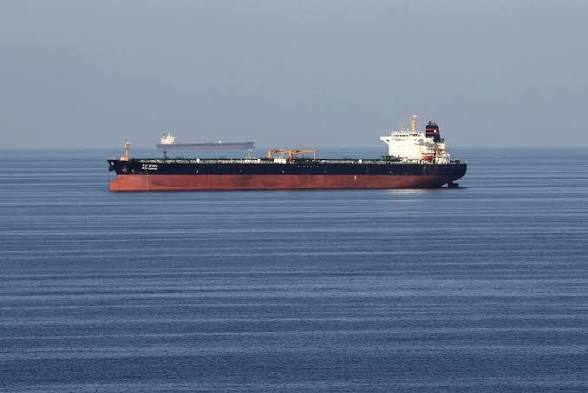
US Sanctioned Iran Oil Tanker Turns Away from India, Shifts to China – What It Means for Global Oil Markets
In a major geopolitical and energy market development, a US-sanctioned tanker carrying Iranian crude oil has abruptly changed its route—from heading toward India to diverting toward China. This unexpected move highlights the complexities of global oil trade amid rising geopolitical tensions, sanctions, and shifting alliances.
0
What Happened?
According to recent reports, a tanker initially signaling India as its destination—potentially marking the first such delivery in nearly seven years—has now redirected toward China. 1
The tanker had earlier loaded crude from Iran and was expected to reach India’s western coast. However, due to a mix of geopolitical pressure, sanctions complications, and financial hurdles, the vessel changed its course mid-journey. 2
Why Did the Tanker Turn Away from India?
Several critical factors influenced this decision:
- US Sanctions: Iran remains under strict US sanctions, making it difficult for countries like India to legally import oil without financial and insurance complications.
- Payment Challenges: Banks and intermediaries often refuse to process transactions involving sanctioned entities. 3
- Shipping Risks: Increased tensions in the Strait of Hormuz have made oil transportation risky and expensive.
- Policy Uncertainty: Even temporary US waivers come with strict conditions and limited timelines. 4
Why China Became the Final Destination
China has consistently remained one of the largest buyers of Iranian crude oil—even under sanctions—often using alternative mechanisms such as “shadow fleets” and non-dollar transactions.
Reports suggest that China has received millions of barrels of Iranian oil through sanctioned or semi-covert channels over the years. 5
Additionally, China’s strategic energy needs and relatively flexible trade policies make it a more reliable destination for such shipments compared to India.
India’s Position in This Situation
India had stopped importing Iranian oil in 2019 due to US sanctions. Although recent waivers allowed limited flexibility, Indian refiners remain cautious due to:
- Strict compliance requirements
- Risk of secondary sanctions
- Insurance and shipping constraints
- Payment settlement issues
Even recent attempts to import Iranian LPG faced delays due to unresolved payment and logistics issues. 6
Impact on Global Oil Markets
The tanker diversion reflects broader disruptions in global oil supply chains:
- Oil prices have surged due to Middle East tensions.
- Supply chains are becoming unpredictable.
- Shipping through the Strait of Hormuz has drastically reduced.
- Countries are shifting alliances based on energy security.
The Strait of Hormuz alone handles around 20% of global oil supply, making any disruption highly impactful. 7
Comparison Table: India vs China in Iranian Oil Trade
| Factor | India | China |
|---|---|---|
| Import Policy | Restricted due to US sanctions | Flexible, continues imports |
| Payment System | Dollar-based, regulated | Uses yuan, barter, alternative channels |
| Risk Appetite | Low (compliance-focused) | High (strategic imports continue) |
| Oil Dependency | Diversified sources | High dependency on imports |
| Sanctions Handling | Avoids violations | Uses “shadow fleet” mechanisms |
Geopolitical Implications
This development is not just about oil—it reflects a deeper geopolitical divide:
- Energy Alliances: Countries are aligning based on access to resources.
- Sanctions Effectiveness: China’s continued imports weaken US sanction impact.
- Regional Tensions: The Iran conflict is reshaping global trade routes.
- India’s Balancing Act: India must balance relations with the US, Iran, and global markets.
Key Facts You Should Know
- This could have been India’s first Iranian crude import in nearly 7 years.
- The tanker was already loaded and in transit before changing route.
- China remains the biggest buyer of sanctioned Iranian oil.
- Global oil supply chains are under extreme stress due to conflict.
- Temporary US waivers are not enough to stabilize trade flows.
Future Outlook
The future of such oil shipments will depend on:
- US sanction policies
- Outcome of Middle East conflicts
- Global oil demand and pricing trends
- India’s willingness to diversify supply sources
Experts believe that unless sanctions ease significantly, China will continue to dominate Iranian oil imports while India remains cautious.
FAQs
1. Why did the tanker not go to India?
Due to sanctions, payment issues, and compliance risks, India avoided accepting the shipment.
2. Is India buying oil from Iran again?
There are limited and temporary purchases under waivers, but large-scale imports have not resumed.
3. Why does China continue buying Iranian oil?
China uses alternative payment systems and prioritizes energy security over sanctions compliance.
4. How does this affect oil prices?
Such disruptions increase uncertainty, often pushing global oil prices higher.
5. What is the Strait of Hormuz issue?
It is a critical oil route currently affected by geopolitical tensions, disrupting global supply chains.
Conclusion
The diversion of a US-sanctioned Iranian oil tanker from India to China is a powerful example of how geopolitics, economics, and energy security intersect. While India remains cautious due to regulatory and diplomatic constraints, China continues to assert itself as a dominant player in global oil trade—even under sanctions.
As tensions persist, such incidents are likely to become more common, reshaping the future of global energy flows and alliances.
“`8

Gaurav Yadav is a news writer and digital publisher from Haryana, India. He focuses on covering latest news, technology updates, automobile developments, and trending public-interest topics. With a strong interest in how information impacts everyday readers, Gaurav aims to present news in a clear, factual, and easy-to-understand manner.
He actively tracks ongoing trends, official announcements, and emerging stories to ensure readers receive timely and reliable updates. Through his work, he is committed to maintaining transparency, accuracy, and responsible reporting while building a trustworthy news platform for a wide audience.