
Petrol Diesel Now Costlier by Rs 55: Check New Fuel Prices and What It Means for Consumers
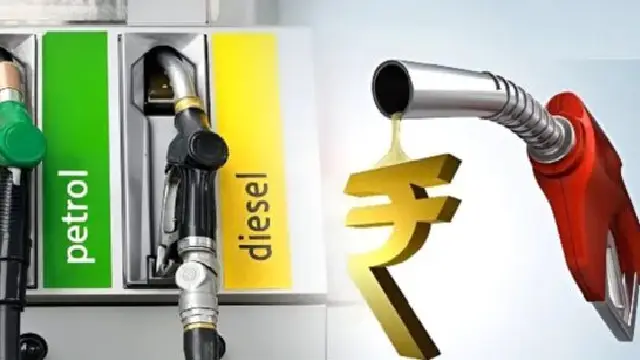
Fuel prices in India have once again become a topic of national discussion after petrol and diesel prices increased by Rs 5.5 per litre in several regions. This sudden price rise has impacted daily commuters, businesses, transport sectors, and household budgets across the country.
Petrol and diesel are essential fuels that directly influence the cost of transportation, goods delivery, and even food prices. When fuel prices rise, it creates a ripple effect across the economy. In this article, we will explain the latest fuel price hike, city-wise rates, reasons behind the increase, and what it means for consumers.
Latest Petrol and Diesel Prices After the Increase
Following the recent increase of Rs 5.5, fuel prices have reached new levels in several major cities. The exact prices may vary slightly depending on local taxes and transportation costs.
| City | Petrol Price (Per Litre) | Diesel Price (Per Litre) |
|---|---|---|
| Delhi | ₹101.50 | ₹94.40 |
| Mumbai | ₹107.60 | ₹97.20 |
| Kolkata | ₹104.20 | ₹96.00 |
| Chennai | ₹103.80 | ₹95.50 |
These new prices reflect the recent increase and may change depending on global oil market fluctuations and domestic tax adjustments.
Why Petrol and Diesel Prices Increased
Several factors contribute to the increase in petrol and diesel prices. Understanding these reasons helps consumers better understand why fuel prices change so frequently.
1. Rising Crude Oil Prices
India imports a large portion of its crude oil requirements. When global crude oil prices increase, domestic fuel prices also rise.
2. Currency Exchange Rates
If the Indian rupee weakens against the US dollar, importing crude oil becomes more expensive, which can increase petrol and diesel prices.
3. Taxes and Duties
Central and state governments impose taxes on fuel. These taxes can significantly influence final retail fuel prices.
4. Transportation and Refining Costs
Fuel needs to be refined and transported across the country. Higher operational costs can also lead to price increases.
Comparison: Fuel Prices Before and After the Increase
| Fuel Type | Previous Price (Approx) | New Price | Increase |
|---|---|---|---|
| Petrol | ₹96.00 | ₹101.50 | ₹5.50 |
| Diesel | ₹88.90 | ₹94.40 | ₹5.50 |
This comparison clearly shows how the Rs 5.5 increase affects everyday fuel costs.
Impact of Fuel Price Increase on Consumers
The increase in petrol and diesel prices affects more than just vehicle owners. It impacts the entire economy.
1. Higher Transportation Costs
Bus operators, taxi services, and logistics companies may increase fares and delivery charges.
2. Increase in Food Prices
Since vegetables, fruits, and groceries are transported using diesel vehicles, higher fuel costs can raise food prices.
3. Increased Household Expenses
Families that rely on personal vehicles for commuting may see their monthly budgets increase.
4. Business Operating Costs
Industries and small businesses that depend on transportation may face higher operational expenses.
Tips to Reduce Fuel Expenses
Even though fuel prices are rising, there are ways to reduce fuel consumption and save money.
- Maintain proper tyre pressure
- Avoid aggressive acceleration
- Use public transport when possible
- Plan routes to avoid traffic
- Regular vehicle servicing
Future Outlook of Fuel Prices
Fuel prices depend heavily on international crude oil markets and government policies. Experts suggest that if global oil prices stabilize, fuel prices in India may also stabilize.
However, geopolitical tensions, supply disruptions, or economic changes can continue to influence fuel prices in the coming months.
Frequently Asked Questions (FAQs)
1. Why did petrol and diesel prices increase by Rs 5.5?
The price increase is mainly due to rising global crude oil prices, currency fluctuations, and domestic tax structures.
2. Are fuel prices the same across all cities?
No, petrol and diesel prices vary from city to city because of different state taxes and transportation costs.
3. Will fuel prices decrease in the future?
Fuel prices may decrease if global crude oil prices fall or if government taxes are reduced.
4. How often are petrol and diesel prices updated?
Fuel prices in India are revised daily based on international crude oil prices and currency exchange rates.
5. How can I check daily petrol and diesel prices?
You can check daily fuel prices through oil company websites, mobile apps, or SMS services provided by fuel companies.
Conclusion
The recent Rs 5.5 increase in petrol and diesel prices highlights how sensitive fuel markets are to global economic conditions. While the price hike may place additional financial pressure on consumers, understanding the reasons behind it helps provide clarity.
Consumers can manage fuel expenses by adopting efficient driving habits and exploring alternative transportation options. Meanwhile, policymakers and energy companies will continue to monitor global markets to balance fuel pricing and economic stability.

Gaurav Yadav is a news writer and digital publisher from Haryana, India. He focuses on covering latest news, technology updates, automobile developments, and trending public-interest topics. With a strong interest in how information impacts everyday readers, Gaurav aims to present news in a clear, factual, and easy-to-understand manner.
He actively tracks ongoing trends, official announcements, and emerging stories to ensure readers receive timely and reliable updates. Through his work, he is committed to maintaining transparency, accuracy, and responsible reporting while building a trustworthy news platform for a wide audience.