
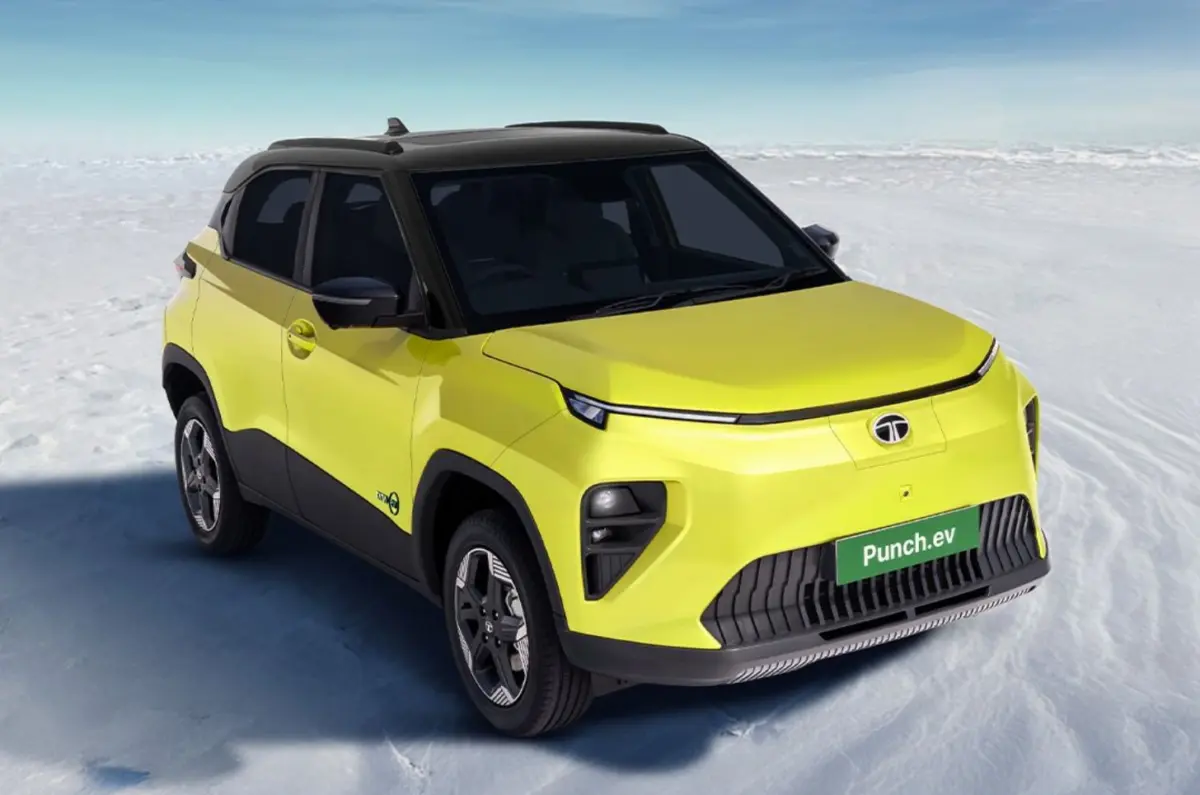
Tata Punch EV BAAS price at ₹6.49 Lakh & Maruti Suzuki e Vitara at ₹10.99 Lakh: How BAAS Is Slashing EV Entry Prices in India
India’s EV revolution just took a dramatic turn. With the Tata Punch EV BAAS price starting at ₹6.49 lakh and the Maruti Suzuki e Vitara from ₹10.99 lakh, electric cars are entering price territory once reserved for petrol hatchbacks and compact SUVs.
The game-changer? BAAS – Battery as a Service.
Instead of buying the battery upfront (which makes up 35–45% of an EV’s cost), customers can now subscribe to it separately. That single shift is reshaping EV affordability in India.
Let’s break it down.
🚗 Tata Punch EV


4
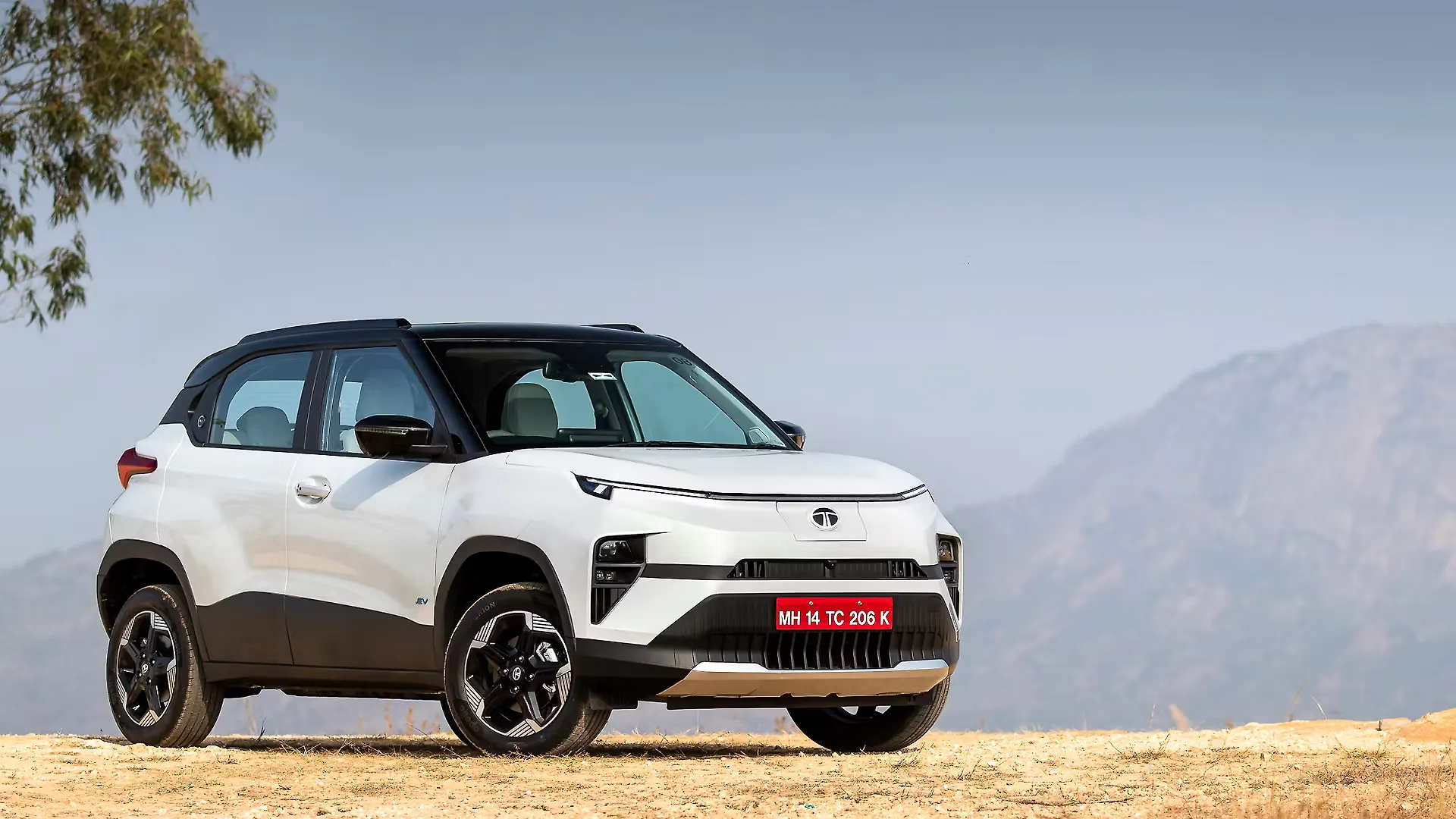
Tata Motors has been leading India’s EV space, and the Punch EV strengthens its mass-market push. With BAAS, the entry price drops significantly, making it one of the most affordable electric SUVs in the country.
Key Highlights:
- Starting price (with BAAS): ₹6.49 lakh
- Compact SUV design with high ground clearance
- Smart digital cockpit & connected features
- Multiple battery pack options
- Fast charging capability
Without BAAS, the Punch EV typically costs several lakhs more. The subscription model allows buyers to pay a monthly battery rental fee based on usage.
🚙 Maruti Suzuki e Vitara

4
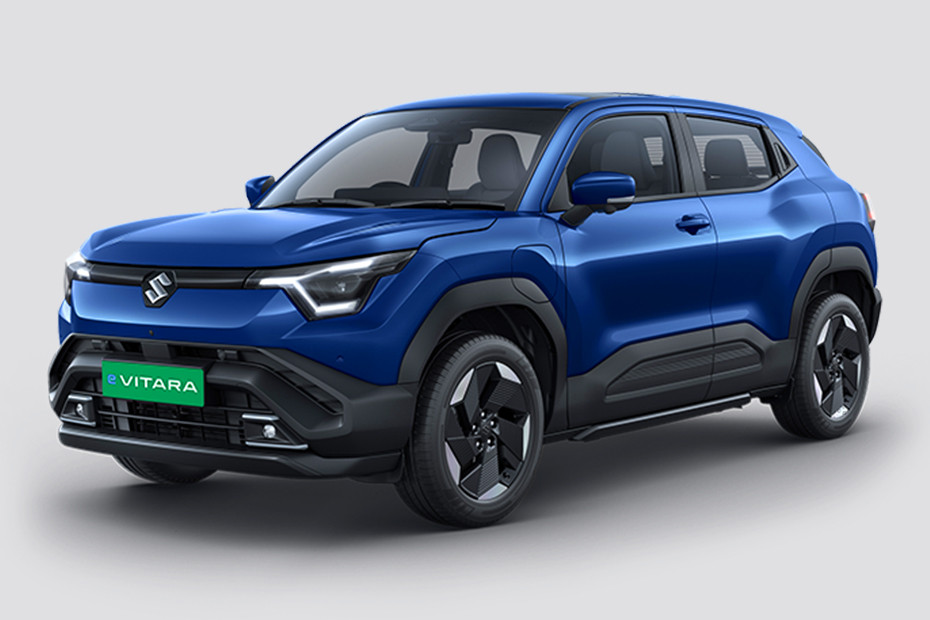
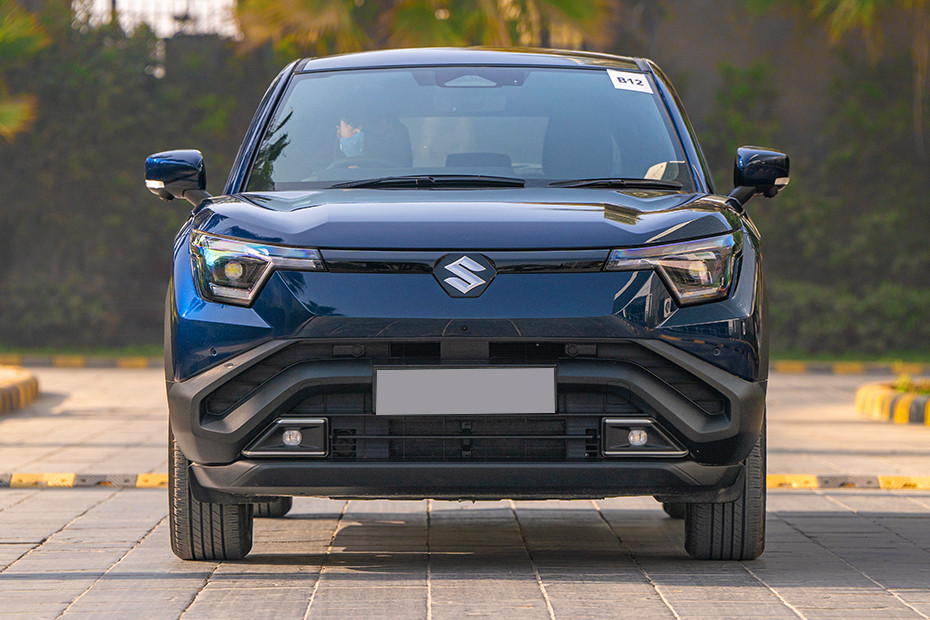
Maruti Suzuki’s electric SUV marks a major shift for India’s largest carmaker. With a BAAS-supported entry price of ₹10.99 lakh, the e Vitara targets premium compact SUV buyers looking to go electric without paying a heavy upfront premium.
Key Highlights:
- Starting price (with BAAS): ₹10.99 lakh
- Larger SUV stance than Punch EV
- Premium cabin layout
- Longer claimed range
- Advanced safety and tech features
📊 Price Comparison Table (With BAAS vs Without BAAS)
| Model | Price With BAAS | Estimated Price Without BAAS | Segment |
|---|---|---|---|
| Tata Punch EV | ₹6.49 lakh | ₹10–12 lakh (approx.) | Micro SUV |
| Maruti Suzuki e Vitara | ₹10.99 lakh | ₹15–18 lakh (approx.) | Compact SUV |
Insight: BAAS reduces entry prices by roughly 30–40%, making EVs competitive with petrol cars in the same segment.
🔋 What Is BAAS and Why It Matters?
Battery as a Service (BAAS) separates vehicle cost from battery ownership.
Instead of:
Paying full price upfront (car + battery)
You:
- Buy the car at a lower price
- Pay a monthly battery subscription fee
- Sometimes pay per kilometer usage
Benefits:
✔ Lower initial investment
✔ Reduced EMI burden
✔ Battery replacement assurance
✔ Less resale risk
✔ Faster EV adoption
💰 Monthly Cost Comparison (Illustrative)
| Factor | Petrol SUV | EV with BAAS |
|---|---|---|
| Upfront Cost | Moderate | Lower |
| Fuel Cost | High & rising | Very low |
| Maintenance | Higher | Lower |
| Battery Cost | Not applicable | Monthly subscription |
Over 5 years, EV users often save significantly on fuel and servicing despite the battery subscription.
⚡ Why This Pricing Strategy Is a Big Deal
- Democratises EV ownership
- Makes EVs accessible in Tier-2 & Tier-3 cities
- Reduces psychological price barrier
- Encourages fleet operators & urban buyers
- Accelerates India’s transition to green mobility
Tata and Maruti are clearly targeting different buyers — Punch EV for first-time car owners and city drivers, and e Vitara for families upgrading to electric.
🏁 Final Thoughts
The ₹6.49 lakh Tata Punch EV and ₹10.99 lakh Maruti Suzuki e Vitara are not just new launches — they represent a shift in how India will buy EVs going forward.
BAAS is no longer a concept; it’s a pricing revolution.
As fuel prices fluctuate and charging infrastructure expands, separating battery cost from vehicle cost could become the new normal.
If this model succeeds, expect more automakers to follow — and EV ownership in India to accelerate faster than ever before.
READ MORE – INDIAN DRISHTI
READ MORE – AUTOSY

Gaurav Yadav is a news writer and digital publisher from Haryana, India. He focuses on covering latest news, technology updates, automobile developments, and trending public-interest topics. With a strong interest in how information impacts everyday readers, Gaurav aims to present news in a clear, factual, and easy-to-understand manner.
He actively tracks ongoing trends, official announcements, and emerging stories to ensure readers receive timely and reliable updates. Through his work, he is committed to maintaining transparency, accuracy, and responsible reporting while building a trustworthy news platform for a wide audience.