
America–Iran War Impact: India Faces Gas Supply Crisis in Several Cities
The escalating geopolitical tension between the United States and Iran has begun to ripple across the global economy.
One of the most visible effects is the disruption of energy supply chains across the world.
India, which heavily depends on imported fuel, is already experiencing the early consequences of the crisis.
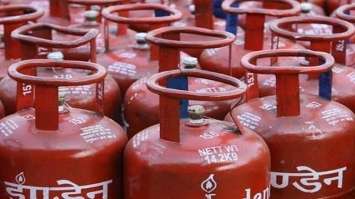
Several major Indian cities such as Mumbai, Bengaluru, and Chennai have reported shortages of commercial LPG cylinders,
which are widely used by restaurants, hotels, and small food businesses. According to reports, disruptions in Middle East
energy routes and increased global demand have tightened supply chains, forcing authorities to prioritize domestic LPG supply
for households.
The conflict in the Middle East has affected shipping routes near the Strait of Hormuz, a critical global energy corridor
through which a large share of the world’s oil and LPG shipments pass. Since India receives around 85–90% of its LPG imports
through this route, even small disruptions can quickly create shortages and price fluctuations in the country.
Why the US–Iran War is Affecting India
India may be geographically far from the conflict zone, but the country is highly dependent on imported fuel.
This dependency makes India vulnerable to geopolitical conflicts that impact oil and gas transportation routes.
When tensions rise in the Middle East, energy shipments become uncertain due to shipping delays, higher insurance costs,
or blockades of critical maritime routes. As a result, countries like India may experience temporary supply shortages and price spikes.
- India imports a large portion of its LPG and crude oil.
- Major supply routes pass through the Persian Gulf region.
- War or military tension disrupts tanker movements.
- Global prices increase due to supply uncertainty.
Cities in India Facing Gas Supply Issues
Several reports indicate that commercial LPG consumers are facing supply challenges in multiple Indian cities.
Restaurants and hotels are among the hardest hit sectors because they rely heavily on large 19 kg commercial LPG cylinders
for cooking operations.
| City | Main Issue | Sector Affected |
|---|---|---|
| Mumbai | Shortage of commercial LPG cylinders | Restaurants, hotels, malls |
| Bengaluru | Delayed gas deliveries | Food industry |
| Chennai | Limited LPG supply | Hotels and eateries |
| Punjab cities | Supply disruptions | Commercial kitchens |
| Gujarat industrial areas | Reduced natural gas supply | Ceramic and manufacturing industries |
Industries Most Affected by the Gas Crisis
The LPG shortage is affecting several industries across India. While households are being given priority access
to cooking gas, commercial sectors are struggling with limited supply.
1. Restaurant and Hotel Industry
Restaurants depend on a steady supply of LPG cylinders to operate their kitchens.
Any interruption can lead to temporary closures or reduced service capacity.
2. Manufacturing Sector
Industries that rely on natural gas, such as ceramic manufacturing and fertilizer production,
have reported reduced supply, forcing some units to slow production or temporarily shut down.
3. Transport and Logistics
If the crisis continues, higher fuel costs could affect trucking and logistics operations,
ultimately increasing the price of goods across India.
Government Response to the Situation
To prevent a widespread cooking gas crisis, the Indian government has taken several steps.
- Prioritizing LPG supply for domestic households.
- Monitoring fuel distribution across states.
- Increasing refinery production of propane and butane.
- Regulating LPG booking to prevent hoarding.
Authorities have also invoked emergency provisions to regulate supply and distribution if the situation worsens.
Gas Supply Comparison: Before vs During the Crisis
| Factor | Before Conflict | During Conflict |
|---|---|---|
| Commercial LPG availability | Stable | Limited in several cities |
| LPG delivery time | 2–3 days | Up to 7–8 days |
| Global oil price | Below $90 per barrel | Above $100 per barrel |
| Industrial gas supply | Normal | Reduced in some sectors |
Possible Long-Term Impact on India
If the US–Iran conflict continues for a longer period, the effects on India could become more serious.
1. Rising Fuel Prices
A prolonged disruption in global energy supply could push petrol, diesel, and LPG prices higher.
2. Inflation
Higher transportation and production costs can increase the price of essential goods and services.
3. Industrial Slowdown
Manufacturing sectors that depend on gas may reduce production, affecting employment and economic growth.
4. Increased Import Costs
India may have to buy fuel from alternative markets at higher prices if supply from the Middle East decreases.
How India Can Reduce Future Energy Risks
The current situation highlights the need for India to diversify its energy sources.
- Investing in renewable energy such as solar and wind.
- Increasing domestic gas production.
- Expanding strategic petroleum reserves.
- Importing fuel from multiple global suppliers.
Energy diversification will help India reduce its vulnerability to geopolitical conflicts.
Frequently Asked Questions (FAQs)
1. Why is India facing a gas shortage due to the US–Iran war?
The conflict has disrupted shipping routes and energy supplies from the Middle East,
which is a major source of LPG and crude oil for India.
2. Which Indian cities are facing LPG shortages?
Cities such as Mumbai, Bengaluru, Chennai, and several regions in Punjab have reported
shortages of commercial LPG cylinders.
3. Are households affected by the gas shortage?
Currently, domestic LPG supply is being prioritized, so households are less affected compared to commercial users.
4. Could petrol and diesel prices increase?
Yes, if global crude oil prices continue rising due to the conflict, fuel prices in India may increase.
5. How long could the gas crisis last?
The duration depends on how long the geopolitical tensions in the Middle East continue and how quickly supply routes normalize.
Conclusion
The ongoing US–Iran conflict highlights how interconnected the global economy has become.
Even though the war is thousands of kilometers away, its impact is being felt in India through fuel supply disruptions and
rising energy costs.
While the government is taking steps to stabilize LPG supplies and protect domestic consumers,
commercial sectors like restaurants and manufacturing industries are already feeling the pressure.
In the long term, India’s focus on energy diversification, renewable power, and strategic reserves
will play a crucial role in protecting the country from similar global crises in the future.

Gaurav Yadav is a news writer and digital publisher from Haryana, India. He focuses on covering latest news, technology updates, automobile developments, and trending public-interest topics. With a strong interest in how information impacts everyday readers, Gaurav aims to present news in a clear, factual, and easy-to-understand manner.
He actively tracks ongoing trends, official announcements, and emerging stories to ensure readers receive timely and reliable updates. Through his work, he is committed to maintaining transparency, accuracy, and responsible reporting while building a trustworthy news platform for a wide audience.