
US & Israel Attack Iran 2026 — Causes, Timeline, Impact & FAQs
In early 2026, the world witnessed a dramatic escalation in Middle East tensions as the United States and Israel launched military strikes on Iran. This conflict has rapidly evolved into one of the most significant geopolitical crises of the decade, affecting regional stability, global markets, energy security, and diplomatic relations across continents.
What Has Happened So Far?
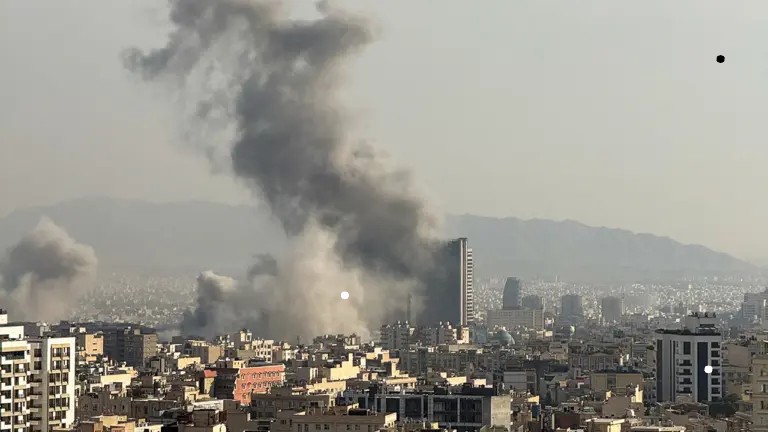
Late in February and into March 2026, coordinated air and military strikes by the U.S. and Israel targeted Iranian military infrastructure, nuclear sites, and leadership positions. These attacks marked a major escalation following years of proxy conflicts, diplomatic tensions and mutual accusations over Iran’s nuclear ambitions. 1
According to reports, the offensive included aerial bombardment and precision strikes aimed at weakening Iran’s ability to conduct missile and nuclear operations. Iran has responded with missiles and drone attacks on Israeli territory and U.S. military installations in the Gulf, broadening the conflict. 2
Key Timeline – US & Allied Strikes on Iran
| Date | Event | Details |
|---|---|---|
| 28 February 2026 | Operation Lion’s Roar begins | Coordinated Israeli and U.S. air strikes hit Tehran and other Iranian cities, targeting military & nuclear sites. 3 |
| 1–2 March 2026 | Iran counter-attacks | Iran launches ballistic missiles & drones targeting Israel, U.S. bases and Gulf nations. 4 |
| 2 March 2026 | Regional spread of conflict | Cross-border attacks reported in Lebanon, UAE, Kuwait and elsewhere. 5 |
| 3 March 2026 | Netanyahu comments on conflict duration | Israeli leader says war won’t last years despite ongoing operations. 6 |
Why Did the US & Israel Attack Iran?
The primary reasons behind the joint military actions include:
- Stopping Iran’s nuclear program — Officials say the aim is to prevent nuclear weapons development.
- Eliminating strategic threats — Iran’s ballistic missiles and proxy groups were cited as threats to Israel and U.S. forces.
- Regime pressure — Some analysts say the goal is to weaken or change Iran’s leadership structure. 7
While U.S. officials emphasize defending allies and removing threats, Iran rejects these claims, calling the strikes illegal aggression. 8
Regional Impact
The attacks have triggered:
- Cross-border retaliations — Iran has fired missiles and drones at Israel and U.S. positions. 9
- Military operations in Lebanon — Israel has engaged targets linked to Hezbollah. 10
- Airspace closures — Commercial flights and military zones have restricted movement. 11
- Security alerts worldwide — Governments in Asia and Europe raising threat levels. 12
Global Economic Repercussions
One of the most concerning effects of the conflict is its impact on global energy supplies:
| Category | Possible Impact |
|---|---|
| Oil Supply | Disruption through Strait of Hormuz could reduce 20% of world’s crude exports. 13 |
| Shipping & Trade | Tanker traffic declines sharply due to safety fears. 14 |
| Stock Markets | Energy price volatility likely across global markets. 15 |
Human Cost of the Conflict
Although exact figures vary due to ongoing developments, casualties include:
- Civilians and military personnel killed in Iran, Israel, Lebanon, and Gulf nations.
- U.S. and allied service member casualties reported in combat. 16
The situation remains volatile, with both sides suffering losses and international efforts intensifying to reduce harm to civilians.
International Reactions
World leaders are responding with a mix of condemnation, calls for ceasefire, and diplomatic engagement:
- UN Security Council discussions underway. 17
- Major powers urging de-escalation and negotiation. 18
- Some nations backing defensive actions, while others criticize legality. 19
Comparisons: Past Conflicts vs 2026 Crisis
| Aspect | June 2025 | 2026 Attacks |
|---|---|---|
| Primary Parties | Israel vs Iran (limited airstrikes) 20 | US & Israel vs Iran (broader campaign) 21 |
| Objective | Specific targets, military & prison sites 22 | Strategic, wide military objectives including nuclear sites |
| Regional Spillover | Localized | Multiple fronts, Gulf and Lebanon |
FAQs – US & Israel Attack on Iran
1. Did the US and Israel actually attack Iran?
Yes — joint strikes have been reported across Iran’s military and strategic infrastructure. 23
2. Why are they attacking Iran?
To prevent nuclear escalation, weaken strategic threats, and disrupt ballistic missile capabilities. 24
3. Is this considered a war?
The situation is widely seen as an active military campaign with characteristics of war. 25
4. How does this affect oil prices?
Threats to the Strait of Hormuz could increase global oil prices due to supply risk. 26
5. Can this escalate further?
Yes. Experts warn of broader Middle East engagement and global economic impacts. 27
Final Takeaway
The joint US and Israeli military actions against Iran in 2026 represent one of the most significant security crises in decades. With complex geopolitical causes, far-reaching consequences on civilian life, economics, and regional security, this situation continues to evolve. International diplomacy and global reactions remain key as the world watches the conflict unfold.

Gaurav Yadav is a news writer and digital publisher from Haryana, India. He focuses on covering latest news, technology updates, automobile developments, and trending public-interest topics. With a strong interest in how information impacts everyday readers, Gaurav aims to present news in a clear, factual, and easy-to-understand manner.
He actively tracks ongoing trends, official announcements, and emerging stories to ensure readers receive timely and reliable updates. Through his work, he is committed to maintaining transparency, accuracy, and responsible reporting while building a trustworthy news platform for a wide audience.