
Why is fibre important for Gut health and how to increase fiber intake naturally — And Simple Ways to Eat More of It
Know why is fibre important for gut health and how to increase fiber intake naturally ,When people think about nutrition, protein, calories, and vitamins usually dominate the conversation. Fibre rarely gets the same attention. However, many digestive health experts believe fibre plays a far bigger role in overall wellness than most people realise.
Found naturally in plant-based foods like fruits, vegetables, legumes, seeds, and whole grains, dietary fibre does much more than simply help with bowel movements. It influences digestion, blood sugar levels, cholesterol balance, appetite control, and even metabolic health.
Here’s a closer look at why fibre deserves more credit — and how you can easily increase your intake.
THIS POST TELLS Why is fibre important for Gut health and how to increase fiber intake naturally
1. Fibre Nourishes Your Gut Microbiome
Your digestive system is home to trillions of beneficial bacteria. These microbes rely on fibre as fuel. When fibre reaches the large intestine, gut bacteria ferment it and produce compounds called short-chain fatty acids.
These compounds help:
- Strengthen the gut lining
- Support immune balance
- Improve metabolic function
Without enough fibre, beneficial bacteria struggle to thrive, which can disrupt gut balance over time.
2. It Helps Stabilise Blood Sugar Levels
Fibre slows down digestion and the absorption of glucose into the bloodstream. This prevents sharp spikes in blood sugar after meals.
Benefits include:
- More stable energy levels
- Better satiety
- Improved insulin sensitivity
In simple terms, fibre allows your body to use fuel more steadily rather than in sudden bursts.
3. Supports Smooth and Regular Digestion
One of fibre’s most well-known roles is improving bowel movement regularity. It adds bulk and softness to stool, making it easier to pass and reducing straining.
A fibre-rich diet can:
- Promote consistent bowel movements
- Improve gut transit time
- Reduce constipation risk
The colon functions best when there is adequate volume moving through it.
4. Contributes to Heart and Liver Health
Soluble fibre, in particular, can bind to bile acids and cholesterol in the digestive system. This process helps lower harmful cholesterol levels in the blood.
Research has linked higher fibre intake with:
- Better cholesterol markers
- Improved metabolic function
- Lower risk of fatty liver conditions
The gut and liver are closely connected, and supporting one often benefits the other.
5. Encourages Natural Appetite Control
Fibre increases feelings of fullness by slowing gastric emptying and influencing hunger-regulating hormones. As a result, you may feel satisfied for longer periods without needing to constantly track calories.
This effect is biological — not simply a matter of willpower.
Why Many People Don’t Get Enough Fibre
Despite its benefits, fibre intake remains far below recommended levels for most adults.
- Average intake: Around 10–15 grams per day
- Recommended intake: Approximately 25–38 grams per day
Modern diets tend to be high in calories but low in fibre, largely due to processed and refined foods.
Simple Ways to Add More Fibre to Your Diet
Improving fibre intake doesn’t require drastic changes. Small daily habits can make a big difference.
✔ Include Seeds Daily
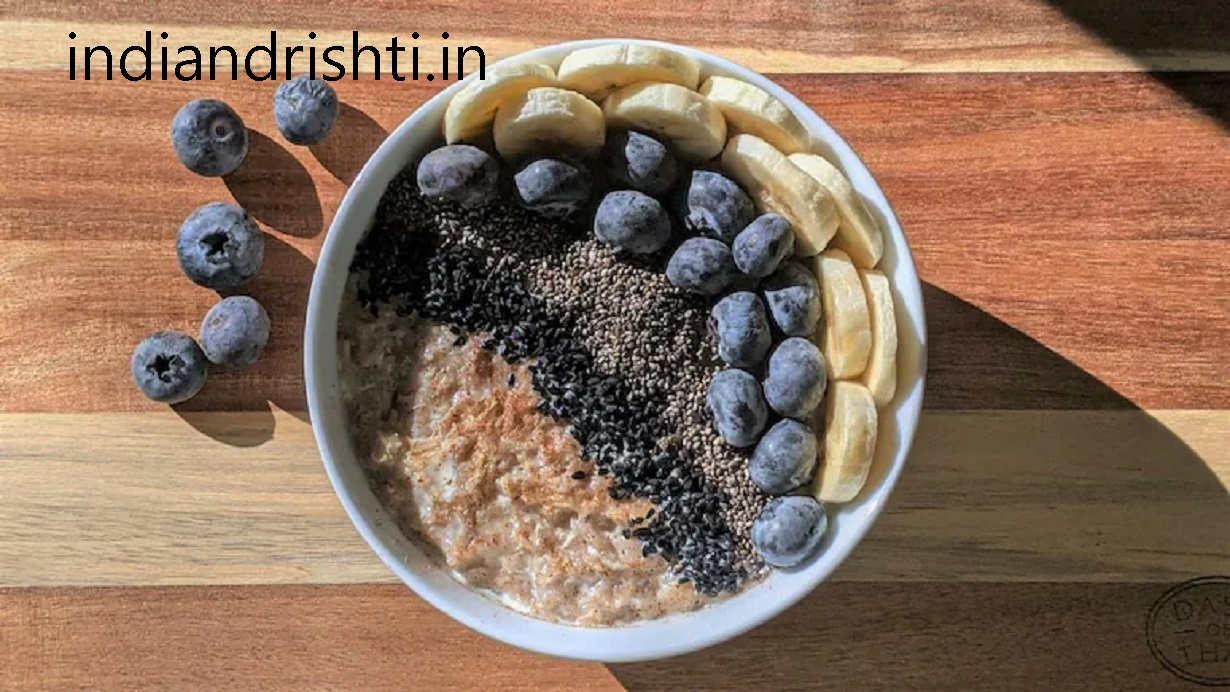
Add chia seeds, flaxseeds, or pumpkin seeds to smoothies, yoghurt, or salads.
✔ Eat More Berries
Berries are rich in fibre and antioxidants. They can be added to breakfast bowls or eaten as snacks.
✔ Choose Whole Grains
Opt for brown rice, whole wheat bread, oats, or millets instead of refined grains.
✔ Increase Legumes
Incorporate lentils, beans, and chickpeas into meals several times a week.
Important Tips When Increasing Fibre
If you’re not used to eating fibre-rich foods, increase intake gradually — around 5 grams per week is a reasonable pace. This allows your gut bacteria time to adapt.
Also remember to:
- Drink adequate water
- Stay physically active
- Include a variety of fibre sources
Sudden large increases without hydration may cause bloating or discomfort.
The Bigger Picture
Fibre isn’t just about preventing constipation. It plays a central role in digestion, metabolism, heart health, and appetite regulation. By consistently choosing whole, plant-based foods, you can significantly improve your overall wellbeing.
This Post Tells why is fibre important for gut health and how to increase fiber intake naturally AND VISIT OUR OTHER POSTS ALSO
READ MORE POSTS- INDIAN DRISHTI AND KNOW ORE ABOUT why is fibre important for gut health and how to increase fiber intake naturally ON MAYO CLINIC
Disclaimer:
This article is for informational purposes only and does not replace professional medical advice. Always consult a qualified healthcare provider before making significant dietary changes, especially if you have existing medical conditions.

Reena
Medical Aspirant | NEET Preparation | Content Writer
Reena is a 23-year-old medical aspirant from India preparing for NEET. With a strong interest in biology and competitive exam preparation strategies, she writes educational and informational articles aimed at students.
Her content focuses on study techniques, exam guidance, career paths in science, and academic motivation. She combines personal preparation experience with detailed research to create helpful student-oriented content.
Reena’s goal is to support aspirants with clear, structured, and practical insights.