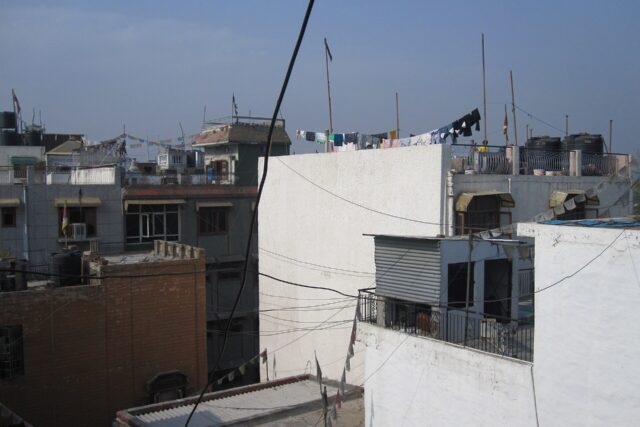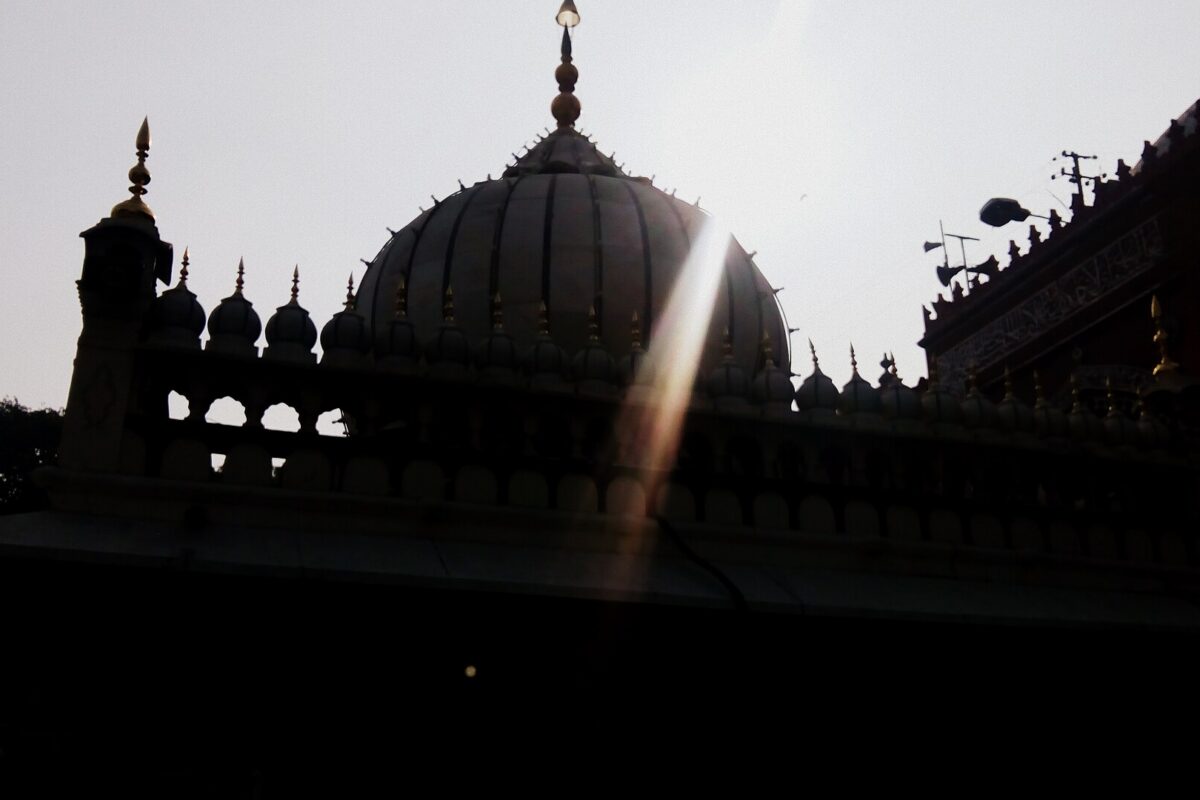
Hazrat Nizamuddin Auliya was a Sufi saint of the Chishti order who lived in Delhi in the late 13th and early 14th centuries. His dargah, reached through the narrow, lively lanes of Nizamuddin Basti, has drawn people of every faith for more than 700 years.
Who was Nizamuddin Auliya
Nizamuddin Auliya taught love, humility and service to the poor, and kept his distance from the Sultans of his time. His most famous disciple was the poet and musician Amir Khusrau, whose tomb lies within the same complex. Khusrau is credited with shaping the qawwali tradition, and his verses are still sung here every evening.
The qawwali
Qawwali is performed in the courtyard after the sunset prayer, most days of the week, with Thursday evenings the most popular. Arrive a little before sunset to find a place to sit. The singing can continue for an hour or more; it is devotional music, not a concert, so sit quietly and follow the lead of those around you.
Etiquette
- Cover your head — scarves and caps are sold along the approach.
- Remove your shoes before entering the courtyard; shops along the lane keep them for a small fee.
- Women are not allowed inside the inner chamber of the tomb but can view it from the screened verandah outside.
- Beware of people insisting on large donations or offerings; give only what you choose, directly at the donation box.
- Dress modestly and keep phone use discreet during prayer and qawwali.
Around the dargah
The basti is full of small eateries serving kebabs, nihari and sweets. Within walking distance are the tomb of the poet Mirza Ghalib, the marble pavilion of Chausath Khamba, and Humayun’s Tomb across Mathura Road.