Chandni Chowk was laid out in the 17th century as the grand avenue of Shahjahanabad, the walled city built by the Mughal emperor Shah Jahan. The avenue is now one of the busiest markets in India, and the lanes branching off it hold some of Delhi’s oldest food shops. This is a route for a first visit, not a definitive list.
Start at Paranthe Wali Gali
The narrow lane known as Paranthe Wali Gali has been famous for its deep-fried stuffed parathas since the late 19th century; several of the shops are run by families who have been here for generations. Fillings go well beyond potato — try paneer, mixed vegetable, or sweeter options like rabri or khurchan. The parathas come with chutneys, pickles and a potato-and-pumpkin sabzi. Everything here is vegetarian.
Jalebis and something cold
At the corner of Dariba Kalan, the lane of silversmiths, the Old Famous Jalebi Wala has been frying thick jalebis for well over a century. Eat them hot. If you want something to cut the sweetness, look for the kulfi and lassi sellers along the main road and in the side lanes.
Around Jama Masjid
Walk towards Jama Masjid for a different cuisine. The lanes around Matia Mahal are known for Mughlai food — kebabs, nihari and korma — with Karim’s, open since 1913, the best-known name. This part of the walk is mainly non-vegetarian.
Practical tips
- Go hungry and share plates so you can try more.
- Carry some cash; many small stalls also accept UPI.
- A cycle-rickshaw ride along the main road saves time between stops.
- Look for busy stalls with high turnover, and drink sealed bottled water.
- Keep bags in front of you in crowded lanes.
Beyond the food
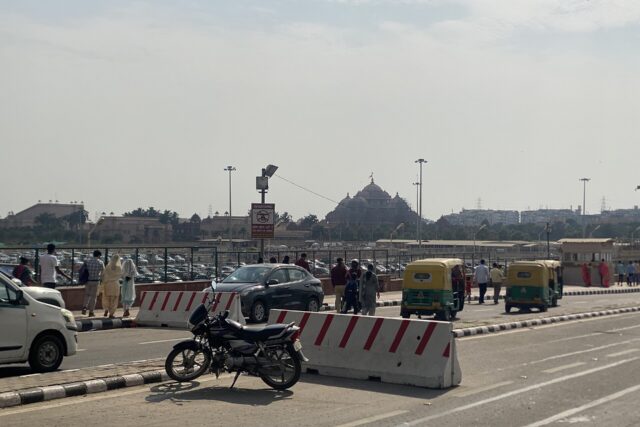
Make time for Gurudwara Sis Ganj Sahib on the main road, the spice sellers of Khari Baoli at the western end, and Jama Masjid itself. The main road was redeveloped in 2021, with a stretch that is now largely pedestrian, which makes walking easier than it once was.